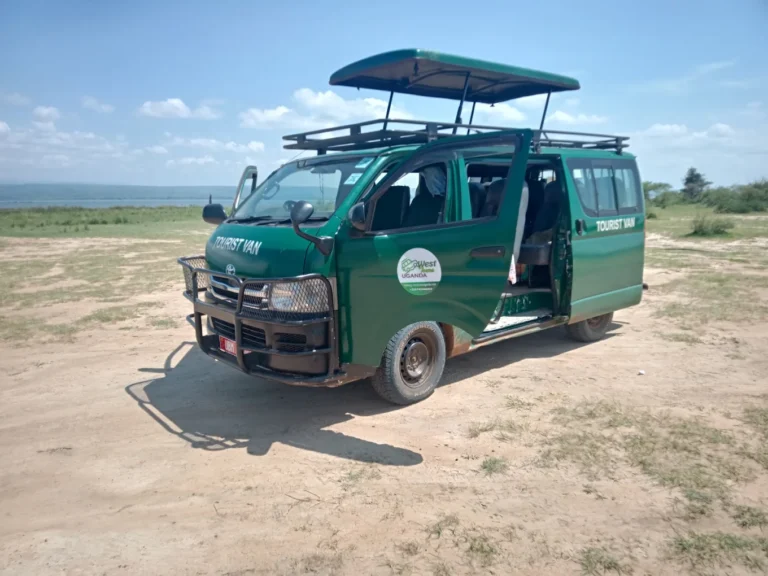
Packing for an East African safari is a delicate balancing act. One day you might be trudging through the muddy, misty slopes of Bwindi Impenetrable Forest in search of mountain gorillas. The next, you could be bouncing across the sun-scorched savannas of Queen Elizabeth National Park, camera in hand, tracking tree-climbing lions.
The secret to a stress-free adventure? Layers, durability, and practicality.
At West Tours Uganda, we’ve guided thousands of travelers across Uganda, Rwanda, Kenya, and Tanzania. We’ve seen what works—and what leaves travelers soaked, sunburned, or uncomfortable.
Here is our definitive, decade-tested packing list for the ultimate East African safari.
The Golden Rule: Forget Cotton, Embrace Layers
Before we dive into the list, here is the single most important piece of advice we give: Cotton is the enemy. It absorbs moisture, stays wet, and leaves you freezing in the high-altitude rainforests. Instead, opt for quick-drying, moisture-wicking synthetic or merino wool fabrics. And always layer up—mornings are freezing, afternoons are scorching.
The Essential 10-Point Packing Checklist
1. Moisture-Wicking Base Layers & Trousers
Item
Recommendation
Tops
3–4 lightweight, long-sleeved crew necks (neutral colors like khaki, olive, or tan).
Bottoms
2 pairs of convertible zip-off trousers (they double as shorts when the midday sun hits).
Pro-Tip
Merino wool socks are worth every penny. They regulate temperature, don’t stink, and prevent blisters on long treks.
2. Sturdy, Waterproof Hiking Boots
Item
Recommendation
Boots
Ankle-supporting, waterproof hiking boots with deep treads (e.g., Salomon, Merrell, or Keen).
Pro-Tip
Do not wear new boots on the trek! Break them in for at least two weeks before your flight. Trust us—your feet will thank you.
3. A Lightweight, Foldable Rain Jacket
Item
Recommendation
Jacket
A breathable, waterproof shell that packs down small into your daypack.
Pro-Tip
Ponchos are a disaster in the thick jungle—they get caught on branches, scare animals with their rustling, and tear easily. Stick to a proper jacket.
4. Neutral-Colored Clothing (The Safari Palette)
Item
Recommendation
Colors
Stick to khaki, beige, olive green, and brown.
Why?
These colors blend into the bush, keeping you less noticeable to wildlife.
Warning
Avoid black and dark blue—these colors attract tsetse flies (which have a painful bite). Also avoid bright white (it reflects too much sun and scares animals) and bright patterns.
5. Warm Layers for High Altitudes
Item
Recommendation
Mid-Layer
A fleece jacket or lightweight down vest.
Why?
At 6,000–8,000 feet in the gorilla highlands, morning temperatures can drop to 7°C (45°F). By noon, it’s 25°C (77°F). Layers let you adapt instantly.
6. High-Quality Binoculars
Item
Recommendation
Specs
8×42 or 10×42 magnification is the sweet spot for safari game drives.
Pro-Tip
You don’t need to break the bank. However, a decent pair makes the difference between seeing a distant leopard and just seeing a blurry spot in a tree.
West Tours Perk
If you don’t own a pair, don’t worry! We supply high-quality binoculars in our safari vehicles for all guests.
7. Camera Gear + A Waterproof Dry Bag
Item
Recommendation
Camera
A DSLR or mirrorless camera with a telephoto zoom lens (300mm+ for wildlife).
Extras
Spare batteries (cold drains them fast!) and extra memory cards.
Pro-Tip
Keep your camera gear inside a waterproof dry bag or a sturdy Ziploc during treks. Rain and humidity are the biggest killers of electronics in the jungle.
8. High-SPF Sunscreen, Lip Balm & A Wide-Brimmed Hat
Item
Recommendation
Suncream
SPF 50+ broad-spectrum.
Hat
A wide-brimmed safari hat or a baseball cap with a neck flap.
Why?
The sun at the equator, combined with high altitudes, is deceptively brutal. You will burn on a game drive even if it feels mild outside. Don’t forget your lips—chapped lips are a surefire way to ruin a smile.
9. Reusable Water Bottle & Electrolytes
Item
Recommendation
Bottle
A 2-liter reusable bottle (aluminum or BPA-free plastic).
Extras
Packets of oral rehydration salts or electrolyte powder (like DripDrop or Nuun).
Pro-Tip
Staying hydrated is critical, but plain water flushes out your salts. Add electrolytes to your second bottle of the day to keep energy levels high during tough treks.
10. Comprehensive First-Aid & Personal Medication Kit
Item
Recommendation
Must-Haves
Anti-malarial tablets (consult your doctor), anti-diarrhea medication (e.g., Imodium), antihistamines, painkillers, and plasters/bandages.
Extras
Hand sanitizer (at least 70% alcohol) and a pack of biodegradable wet wipes.
Pro-Tip
Bring a spare pair of prescription glasses or contact lenses if you wear them. Dust and humidity are unforgiving.
The Bonus: What to Wear on Travel Days
For international flights and internal road transfers, comfort is key. We recommend:
Loose-fitting travel trousers or joggers.
A comfortable hoodie or light scarf (airplanes and safari vehicles get chilly with AC).
Compression socks to prevent swelling on long flights.
Tip: Keep a spare change of clothes in your hand luggage. Lost luggage happens—but if you have your hiking boots and a base layer, your safari can continue without a hitch.
❌ What NOT to Pack for East Africa
We often get asked what to leave at home. Here is our strict “Do Not Bring” list:
Item
Why It’s Banned
Camouflage or Military-Style Clothing
It is illegal for civilians to wear camouflage in Uganda, Rwanda, Kenya, and Tanzania. You could be detained by police.
Drones
Strictly prohibited in all national parks and wildlife reserves. They stress the animals and require permits that are nearly impossible to get.
Plastic Bags
Rwanda has a total ban on single-use plastic bags. They will be confiscated at the airport. Use reusable tote bags instead.
Heavy Suitcases
Safari vehicles and small charter planes have strict luggage weight limits (usually 15–20 kg / 33–44 lbs). Stick to a soft-sided duffel bag—hard cases take up too much space.
Loud / Brightly Colored Clothes
Neon pink or fluorescent yellow will scare wildlife and ruin your game drive photos. Stick to neutral tones.
📦 The West Tours Uganda Advantage
At West Tours Uganda, we don’t just send you a packing list and wave goodbye. We care about your comfort from the moment you land.
Emergency Gear: Our safari vehicles carry spare blankets, rain ponchos, and a fully stocked medical kit for every trip.
Porter Support: We pre-arrange local porters for your gorilla trek in Bwindi or Mgahinga. They carry your heavy daypack so you can focus on the hike and the photography.
Laundry Services: Many of our partner lodges offer same-day laundry services. Pack lighter and just wash clothes mid-trip!
Ready to Cross Africa Off Your Bucket List?
Now that you know what to pack, it’s time to plan where to go. Whether you’re trekking gorillas in Uganda, chasing the Great Migration in Kenya, or exploring the volcanic mountains of Rwanda, West Tours Uganda is here to craft your perfect itinerary.